Tracks and poles
Eco-friendly curtain poles: what a more sustainable choice means
A sustainable pole is durable, repairable, matched to the weight of your curtains, and made of a material whose origin and use will not turn into extra costs in a year or two.
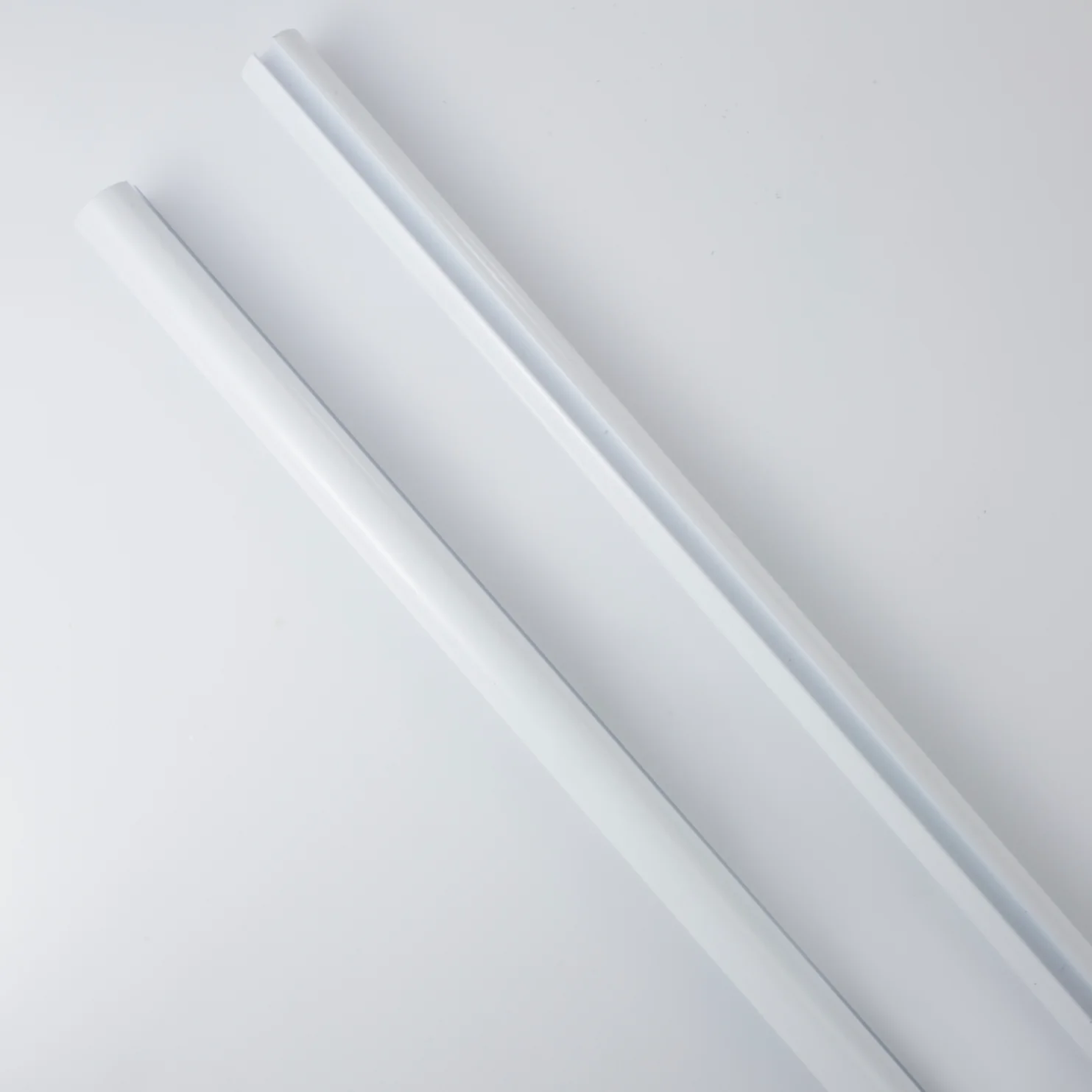
What makes a pole more sustainable?
Sustainability starts with how a pole is used. One that sags, peels or stops carrying the weight of the curtain after two years has to be replaced, which means new materials, new fitting and extra waste. So an eco-friendly pole has to be reliable and durable first of all.
Next come the origin of the material and how it is looked after. Recycled aluminium, certified timber and repairable steel components usually do more good than cheap poles that look "natural" but do not last. A pole is also more sustainable when only the worn part can be replaced rather than the whole thing.
Which material suits which situation?
Recycled aluminium suits minimalist interiors, ceiling tracks and damper areas best: it is durable, exact, easy to look after and often recycled. FSC-certified timber suits more natural or classic interiors, because it gives a warmer texture and a clear origin when the look matters. Steel is for heavy curtains and longer spans: it is strong and less likely to need replacing after a few years.
There is no single best material. If you plan heavy lined curtains, the load and the bracket layout matter most. If a warm texture matters in the living room, timber can suit better than aluminium. If the priority is something durable and almost invisible at the ceiling, an aluminium track usually wins.
Why durability often matters more than a "green" label
A sustainable system has to withstand everyday use: opening, closing, cleaning, and seasonal changes in damp and temperature. If the pole is too weak, the profile deforms, the brackets work loose, and after a few years everything has to be replaced. Here durability is the most practical kind of sustainability.
That is why, beyond the name of the material, we look at the weight of the curtain, the length of the span, what the pole is fixed to and how heavily it will be used. A pole that lasts in real use saves more money and makes less waste than a cheap one that fails quickly.
How to match a sustainable choice to the style of the interior
In minimalist interiors the most sustainable fixing is often the one you barely see: a ceiling track, a plain profile and few extra details. In more natural or japandi-style interiors, timber or a warmer-toned metal tends to work, especially when the pole itself is meant to be seen and to add to the texture of the room.
Avoid overloading the room. If you choose a prominent timber pole, the fall and the fabric of the curtain should support it and not compete for attention. If the interior is restrained, the less visible track usually wins, because it leaves the fabric to carry the look.
Fitting and care: where most sustainability is lost
Even a good profile loses its value if it is fixed to the wrong base or with too few brackets: the result is extra holes, repeat work, repairs and a replacement. So with an eco-friendly pole the fitting matters as much as the purchase.
Care is simple: dust it from time to time, do not hang a heavier curtain than it was designed for, and if the mechanism begins to run heavily, repair it early, before the whole profile fails. Care like this lengthens its life.
When does a more sustainable pole pay for itself?
A sustainable pole pays for itself most when the windows are large, the curtains heavy and the set-up meant to last many years. There a cheaper, weaker track more often means refitting, a bent profile or new components after a few seasons.
If the project is small and temporary, the sustainable choice may be the material that suits the real use rather than the dearest one. That is why we look past the label at the lifespan, whether the pole can be repaired, and whether it can be adapted when the curtains or the interior change.
How to choose a pole that is sustainable in use, not only on the label
The choice takes a few steps. First, the weight of the curtain, the length of the window and what it will be fixed to are assessed. Then the materials are compared by lifespan as well as by look. A pole or track is chosen that can be adjusted or repaired if needed. Finally the fitting is arranged so that there is no repeat work and no needless waste.
Questions about eco-friendly curtain poles
Which materials are best for eco-friendly poles and tracks?
Recycled aluminium, FSC-certified timber and durable steel are generally regarded as more sustainable, because they last and seldom need replacing.
Are eco-friendly poles suitable for heavy curtains?
Yes, with a strong enough profile, brackets spaced close enough and a solid base to fix to. A sustainable pole chosen this way need not carry less.
Can eco-friendly poles be ordered anywhere in Lithuania?
Yes. The pole or track can be chosen by e-mail or at a consultation, and it is fitted anywhere in Lithuania on an agreed date.
Are wooden poles always more sustainable than aluminium ones?
Not always. Besides the material, what matters is where it comes from, how it is treated, how long it lasts, and whether the pole can be repaired or recycled at the end of its life.
How do I choose a sustainable pole to suit the style of the interior?
In minimalist interiors an aluminium ceiling track usually works best. In more natural or classic rooms, timber or painted metal with a clear texture suits.
Do eco-friendly poles go with blackout curtains?
Yes, as long as the pole or track is sized for the load and lets the curtain close tightly. In practice that means a strong profile and the right fixing position.
What does durability mean for sustainability?
A pole that need not be replaced after a few years is often more sustainable than a cheap short-lived one. That is why the quality of a pole and whether it can be repaired matter as much as the material itself.
Is a sustainable system worth it on a limited budget?
Often yes, where sustainable means it stands up to daily use and is less likely to need repair or replacement after a year or two. Then the thing to buy is a pole that holds up in use, whatever its "eco label".
What are the advantages and drawbacks of wooden poles?
Wooden poles give a warmer, more natural look, but they are more sensitive to damp and to the quality of the finish, and are sometimes heavier than an aluminium profile. Aluminium more often wins in technical projects, and timber suits when the design accent matters as much as the function.
When should I choose aluminium and when timber?
Choose aluminium when stability, a smaller profile, easier care and a more exact blackout closure matter. Choose timber when you want a more natural texture in the interior and a decorative pole on the wall.