Author: Jegor Janockin
Reviewed by: Curtain.lt editorial team
Last updated:
How to choose curtains: fabric, fullness, tracks and cost
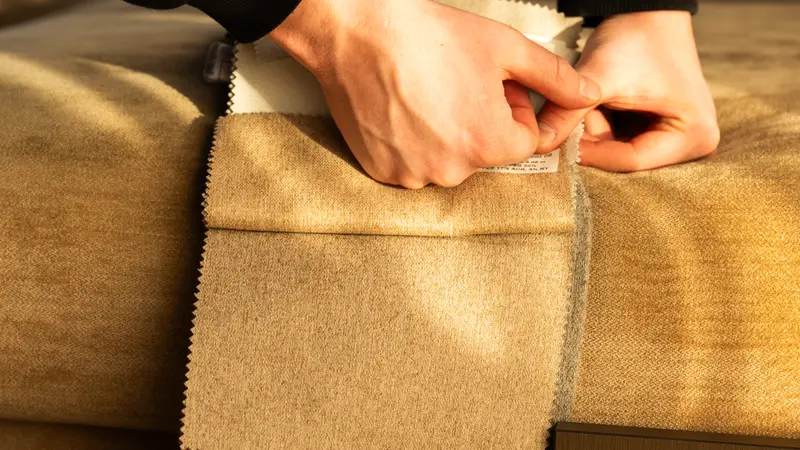
To choose curtains, start with what the room needs, the size of the window and what the fabric has to do. For a bedroom, use blackout fabric, which blocks 95–100% of the light. For a living room, use two layers. Allow 1.5–2.5× the track width in fabric, depending on the heading (2.0× for a wave heading), and hang the curtains 1–2 cm above the floor. Beyond their looks, curtains control the light and soften sound.
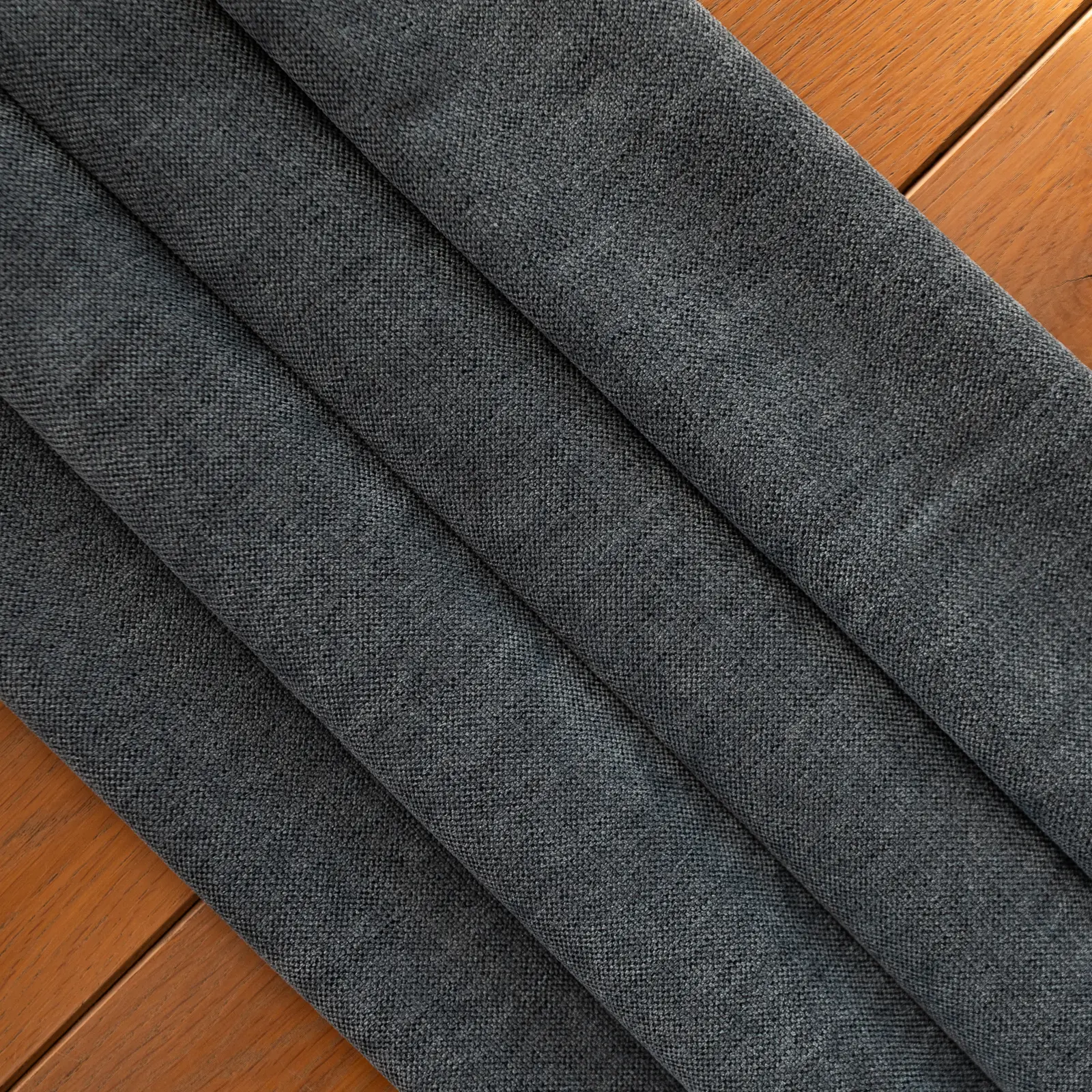
How to choose curtains for each room
Start with what the room is used for: the same fabric can suit one room well and disappoint in another.
- Bedroom. The priority is full darkness and privacy. If the window faces east or south, use blackout fabric, which blocks 95–100% of the light. The fabric alone is not enough for the full effect: you also need a ceiling track with side returns.
- Living room. Light sheers with denser lined curtains: daylight through the sheers by day, the lined curtains drawn in the evening.
- Child's room. Dim-out fabric (about 75–85% of the light blocked). It darkens the room enough for a daytime nap without making it gloomy.
- Kitchen. Function matters more than show: short curtains to the sill, or roman blinds. They do not stop the windows opening, do not reach the worktops and are easier to clean.
- Study. Reflections on screens need controlling. Denser curtains also absorb sound and cut down echo.

Fabric properties and lining types
The fabric decides how the curtains fall and what they do, as well as how they look. The main points are light transmission, weight and lining. Light fabrics such as voile form soft lines. Medium-weight fabrics fall in neat folds. Heavy fabrics (the densest blackout, such as Gravity, weighs over 350 g/m²) give a solid look and help with sound, but they need stronger tracks.
| Lining type | Light control | When to choose it | Note |
|---|---|---|---|
| Standard lining | Minimal | Decorative lined curtains | Improves the fall and the life of the fabric |
| Dim-out | Partial: darkens | A child's room, a living room | Darkens, but does not give full darkness |
| Blackout | About 100% of the light blocked | A bedroom, windows facing south or east | Needs a suitable track to keep the light out |
| Thermal lining | Depends on the fabric | Colder windows, the north side | Works only when closed and a pocket of air forms |
Curtain size and fullness
Getting the width wrong is one of the costliest mistakes. The basic formula is: fabric width = track width × fullness.
| Heading | Fullness | Example (200 cm track) |
|---|---|---|
| Eyelet (rings set into the fabric) | 1.5× | 300 cm of fabric |
| Wave heading tape | 2.0× | 400 cm of fabric |
| Pleated heading | 2.5× | 500 cm of fabric |
Why does 2.0× usually look best?
It makes full, even folds without looking heavy, and it works in any room and with any fabric.
Height and fixing: in most cases curtains that reach the floor make a room look taller. Fit the track 10–15 cm above the window opening, or straight to the ceiling. Always measure from the planned position of the track to the floor, less 1–2 cm.
How do you match curtains to the interior?
- A modern interior: clean lines, with a wave heading tape, a recessed ceiling track, natural textures and warm earth colours.
- A classic interior: a pleated heading on wall-fixed poles, decorative finials and deeper colours. Patterned curtains work, but the pattern should not repeat the other patterned textiles in the room.
If you want to make a space look wider, choose curtains lighter than the walls. For a more intimate mood, choose darker shades.
What decides the price of curtains?
Four things decide the final price: the fabric you choose, the track system, how complicated the making is and the fitting.
| Price component | Range |
|---|---|
| Sheer fabric | €9.50–16.50/m |
| Lined and blackout fabric | €11.00–43.00/m |
| Ceiling track (white) | from €9/m |
| Ceiling track (black) | from €10/m |
| Wall-fixed pole | from €14/m |
| Making sheer curtains | from €8/m |
| Making lined curtains | from €13/m |
| Fitting | from €9/m |
How to plan the path from choice to fitting
The biggest practical mistake is to try to decide everything at once: the fabric, the folds, the track and the budget, with no clear measurements. Going in order is safer. First settle what the room is for and how the light is to be controlled, then choose the type of curtain, then think about the track, and only then fine-tune the budget. That order avoids the situation where a lovely fabric later does not suit the chosen system or the way the room is used.
- 1Decide whether the priority is privacy, darkness, sound or simply looks.
- 2Choose a one-layer or a two-layer system to suit the room.
- 3Check whether you already have a suitable track, or whether it has to be planned together with the curtains.
- 4Only then check the budget, in the calculator or at a consultation.
When is the calculator enough, and when is a consultation worth it?
The calculator is good for a first budget: it shows how much the grade of fabric, the folds or an extra layer change the price. It cannot judge the fall, high ceilings, blackout sealing or an unusual track. The calculator answers "what might this cost"; a consultation answers "which option suits my room".
If you are choosing for the first time, the most practical start is one room and one clear priority. In a bedroom, for example, the main thing may be darkness and privacy, and in a living room the fall, the filtering of light and the look of the whole room. Narrowing it down rules out unsuitable options sooner, before you get lost among fabrics that look good but do not do the job.
Decide too how much time you want to give to care. Some people want the fabric to look natural; others want it easy to take down and clean. That one question shows whether to look at natural fabrics, which need more care, or at a steadier blend.
Check a first budget
If you already know the window sizes and are weighing a few fabrics or layers, start with the calculator.
Open the calculatorCommon mistakes when choosing curtains
- 1Curtains too narrow: 1.2× or 1.5× fullness where 2.0× was needed. The folds go flat and the fabric looks thin.
- 2Curtains too short: hanging clear of the floor makes the room look lower. The safest is 1–2 cm from the floor.
- 3Judging the colour only in the shop: always compare the fabric against your own walls in natural light.
- 4Blackout fabric without the right system: light gets in round the open sides. A ceiling track with side returns is needed.
- 5A track hung too low: fitted straight above the window opening, it loses the effect of added height.
Frequently asked questions
How long should curtains be?
In living spaces, 1–2 cm above the floor or just touching it. Long curtains make the ceiling look higher. Short curtains (to the sill) belong in a kitchen or a bathroom.
How wide do curtains need to be for my window?
The fabric should be 1.5–2.5 times as wide as the track, depending on the heading: 1.5× for a flex tape or an eyelet heading, 2.0× for a wave heading, 2.5× for a pinch pleat. For a 2 m track you need about 4 m of fabric at 2.0× fullness.
How do you choose curtains to suit the style of a room?
For a modern style: clean lines, plain colours and minimalist fabrics. For a classic style: deeper fabrics and pleated headings. Lighter tones make a space look wider, darker tones make it feel more intimate.
How do you choose curtains for a living room?
A two-layer system is the most practical: light sheers plus denser lined curtains. It filters natural light by day and gives full privacy in the evening.
What is the difference between blackout and dim-out curtains?
Blackout fabrics block 95–100% of the light and suit a bedroom. Dim-out holds back about 75–85% and suits a child's room or a living room.
Which fabric is best for curtains?
It depends on the use. For a bedroom, dense blackout fabrics. For a living room, linen or cotton. For a kitchen, easy-care synthetic or blended fabrics.
How do you measure a window for curtains?
Measure the drop from the top of the track to the floor, less 1–2 cm. Fit the track at least 10–15 cm above the window opening to make the ceiling look higher.
Can curtains improve a room's acoustics?
Yes. Denser, heavier fabrics absorb sound and reduce echo. This matters most in large modern rooms with hard floors and high ceilings.
How much do sheer and lined curtains cost?
Sheer fabric costs €9.50–16.50 per metre, and lined and blackout fabric €11–43 per metre. Making costs from €8 per metre for sheers and from €13 per metre for lined curtains. Fitting costs from €9 per metre.
Treat curtains as a whole set rather than a fabric: the type of track, the measuring height, the fall of the fabric, the daylight and the budget for fitting all have to fit together. So check a first price in the calculator before the final order, and decide whether a sheer with a lined curtain suits better than one layer with one job.
See the curtain options
Sheer, lined, blackout or roman blinds: the whole collection, with prices and fabric samples.
See curtainsDo you need a personal recommendation?
Send photos of your windows and the measurements, and we suggest a fabric, a heading, a track and a budget. Write to us in English; we reply by e-mail.
Get in touchThe full curtain guide: fabrics, styles, terms
From how a fabric falls to making times and room-by-room advice: everything about curtains in one place.
Read the full guideThe next step
If this guide has answered your questions, move on to a specific product or check your budget.