Author: Jegor Janockin
Reviewed by: Curtain.lt editorial team
Last updated:
How to choose a curtain colour: from the palette to your window
- Decide first how much light the curtain should stop, then choose the colour from that fabric's palette.
- Judge the colour by daylight and evening light, by the tone of the walls and floor, and by the shadows in the folds: a hung curtain usually looks darker than a flat chip.
- The palette is an illustration. You will see the exact shade on a fabric sample, which the designer brings to the measuring visit.
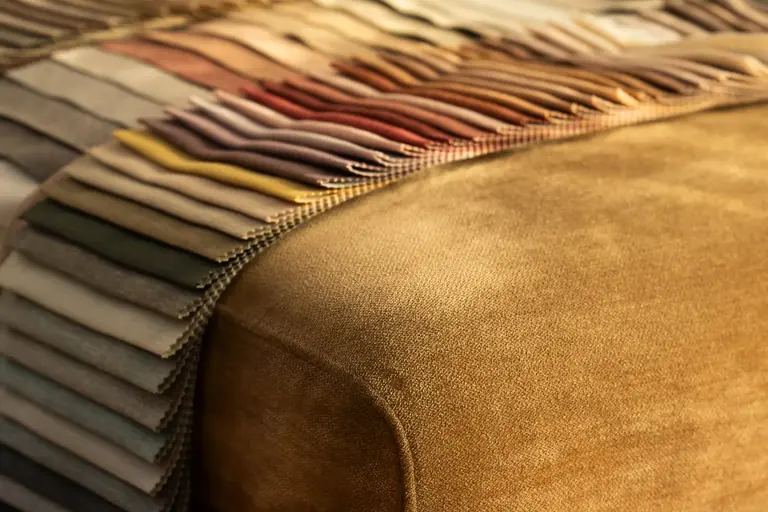
A fabric page shows dozens of colours, and choosing one from a screen is not easy. This guide covers how the palette is made, what it shows and what it does not, and an order of steps for choosing a curtain colour that looks in the room the way you expect.
How does the colour palette on a fabric page work?
On the pages of lined and blackout fabrics, each colour is shown as a separate chip. The chips are cut from a photo of the fabric's sample strip: one chip is one photographed colour, numbered from left to right and named by number and colour word, for example "Colour 7 · cream". Sheer fabrics show a shorter illustrative list of colours.



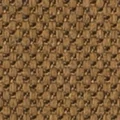





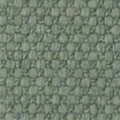

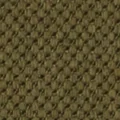
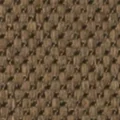






The palette is an illustration
The colours are taken from a photo of the fabric sample, so the shade can look slightly different on your screen. You will see the exact shade on a real sample.
How do you choose a curtain colour, step by step?
- 1Purpose of the light: first decide whether the curtain lets light through or stops it. The colour is then chosen from the palette of that fabric.
- 2Light in the room: look at the window in the morning, at midday and in the evening. The same shade looks different at each.
- 3Walls and floor: compare with the shade of the walls, the floor and the main furniture. Decide whether you want colour on colour or a contrast.
- 4Folds: remember that the folds cast shadows, so the curtain looks darker than the chip in the palette.
- 5Fabric sample: check the final shade on a fabric sample held up at your own window.
- 6Visualiser: to see the colour across the whole window, try it in the visualiser.
How does light change the colour of a curtain?
Daylight in a room keeps changing. In a north-facing room it is usually cooler and weaker, in a south-facing room warmer and stronger, so the same fabric looks cooler at one window and warmer at another. In the evening, artificial light, usually warmer than daylight, brings out warm shades and dulls cool ones.
It also matters whether the fabric lets light through. Sun shining through a sheer lights it up, and the colour looks lighter and thinner. A blackout or other lined fabric lets no light through, so its colour looks in the room as it is on the room side. A sheer and a lined fabric therefore have to be judged differently, even when their colour names are alike.
Check twice
Hold the sample at the window in the morning and again in the evening. If you like the shade both times, it suits the daylight and the lamps.
Why does a hung curtain look darker than a chip in the palette?
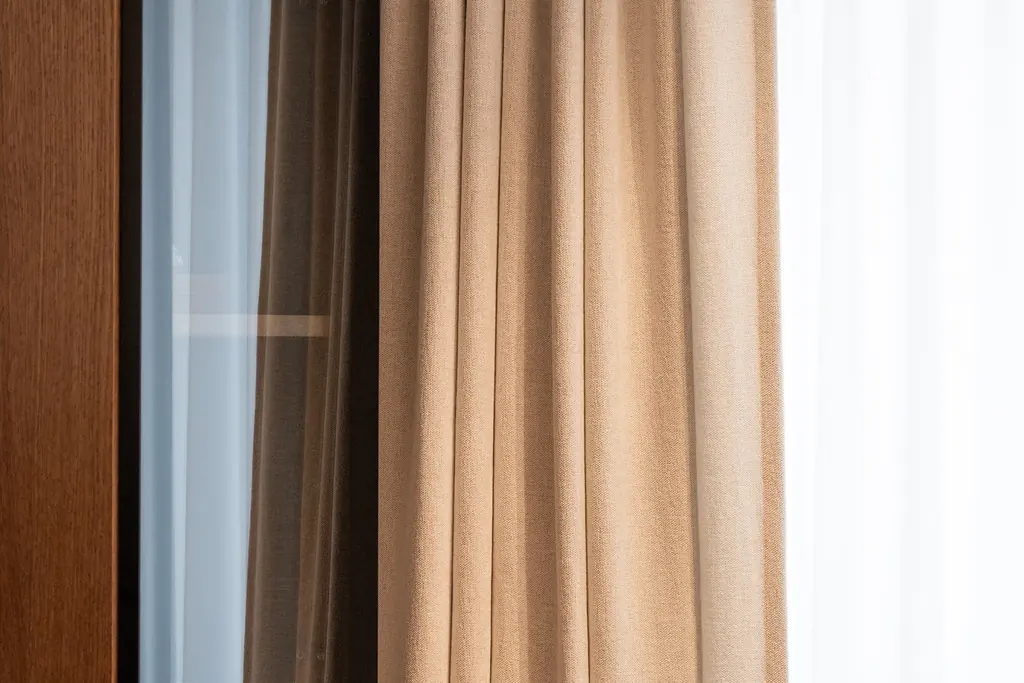
A chip shows a flat piece of fabric. In a curtain the fabric is gathered, and each fold casts a shadow on its neighbour. A colour that fills the whole window also tends to look stronger than a small sample. So a gathered curtain usually looks a little darker and richer than the chip. The higher the fullness, the more folds and the more shadow.
- Curtain heading tapes explained → how a tape forms the folds
- Curtain length and fullness → the table of ratios
How do you match the colour to walls, floor and furniture?
- Start with the walls and the floor: they cover the most area and set the warmth or coolness of the room.
- For a quiet look, choose a colour close to the walls. For an accent, choose a stronger one with the same warmth.
- Mix warm and cool shades with care: next to a floor and walls they often look out of step.
- Two layers, a sheer and a lined curtain, should not compete: choose one to suit the room and the other more neutral.
- In a small room, lighter tones make the space look wider and darker tones make it look smaller.
- The colour was chosen in the evening, from a screenFix: Check it in daylight on a fabric sample.
Why
Screens show colours differently, and the light of evening lamps changes the shade. - The choice was made from a small chipFix: Imagine the colour across the whole window: hold the sample at the window and look from a few steps back.
Why
A colour across a large area looks stronger than in a small piece. - The folds were not allowed forFix: Expect a slightly darker curtain than the chip.
Why
Folds cast shadows, especially at a high fullness. - The sheer and the lined curtain were chosen separatelyFix: Choose both layers together and compare them side by side.
Why
Even in similar colours a sheer and a blackout fabric look different, because light passes through one and not the other.
When should you check a fabric sample, and how do you see one?
The designer brings fabric samples to the measuring visit, so the shade can be seen at your own window and in your own light. The measuring rules for each city are on the measuring page.
How do you try a colour in your own window?
On the page of a lined fabric, a link beside the chosen colour, "Try this colour in your room", opens the visualiser with that fabric and colour selected. In the visualiser an AI draws the curtains on a photo of your window. The picture shows a direction, not the exact shade or drape; its current state and terms are on the visualiser page.
- How the curtain visualiser works → what the picture shows and how to photograph the window
- Window measuring → the measuring rules for each city
- The curtain visualiser → a fabric and colour in your window
- Lined curtains → fabrics with colour palettes
- Sheer curtains → translucent fabrics
- Blackout curtain fabrics compared → light blocking and colours
Check the colour at your own window
The designer comes with fabric samples, measures the windows and helps choose a colour in your light.
Arrange a consultationFrequently asked questions
Will the colour on screen match the fabric?
Not exactly. The palette colours are taken from a photo of the fabric sample, and screens show colours differently. You will see the exact shade on a fabric sample.
Why do some fabrics have no separate colour chips?
On the pages of lined and blackout fabrics, each photographed colour is shown as its own chip. Sheer fabrics show a shorter illustrative list of colours.
Which curtain colours suit a small room?
Lighter colours make a small room look wider and dark ones make it look smaller. If you want a darker tone, give it to one layer and keep the other light.
Do the sheer and the lined curtain have to be the same colour?
No. A light sheer is often paired with a darker lined curtain. What matters is that the warmth of the two shades matches, and that you compare them side by side.
Can I see the colour in my own window before ordering?
On the visualiser page you choose a fabric and a colour, and an AI picture shows how they may look in your window. It is a visual reference; confirm the final shade on a fabric sample.
The next step
If this guide has answered your questions, move on to a specific product or check your budget.